Garage Door Technicians: Why Specialized Work Matters
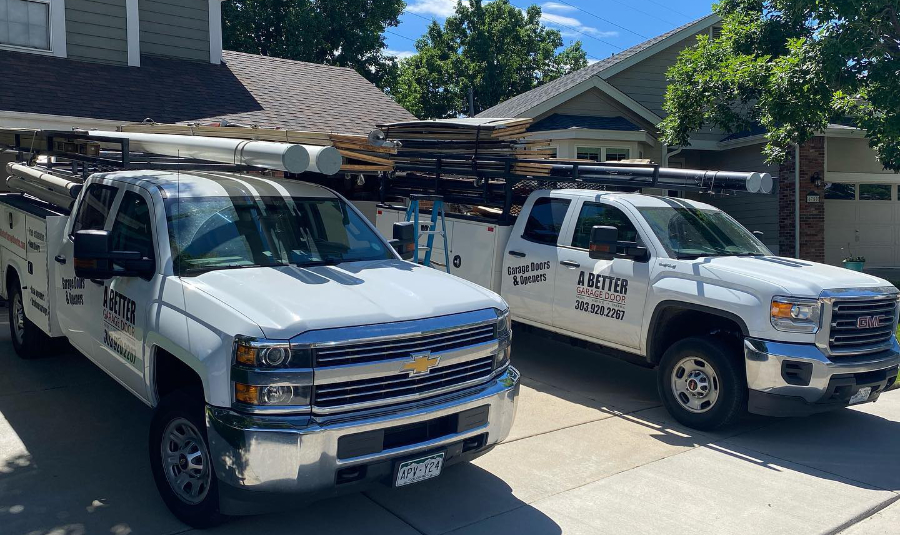
A garage door technician is not just “some dude who fixes garage doors.” In practice, the role combines mechanical repair, installation, system balancing, structural attachment, and opener safety work on one of the largest moving assemblies in a home. A professional garage door company is typically handling issues such as broken springs, panel replacement, opener repair, routine safety inspections, track alignment, hinge replacement, and cable work. And not as isolated parts, but as one connected operating system. That systems-based approach is what separates a true garage door technician from a general handyman or a fly-by-night repair crew.
What professional garage door technicians actually do
At a high level, garage door technicians inspect the entire door system, identify the failed component, and determine whether the root problem is wear, impact damage, poor balance, opener strain, track misalignment, or failing hardware. In other words, the work is diagnostic as much as it is physical. A door that looks like it has an opener problem may really have a spring problem. A noisy door may actually be suffering from worn rollers, hinge wear, track issues, or poor balance. Reputable companies also approach the job with trained technicians, stocked service vehicles, and the equipment needed to correct the problem on the first visit rather than improvising with mismatched hardware or partial fixes.
Professional work versus DIY and “good enough” repairs

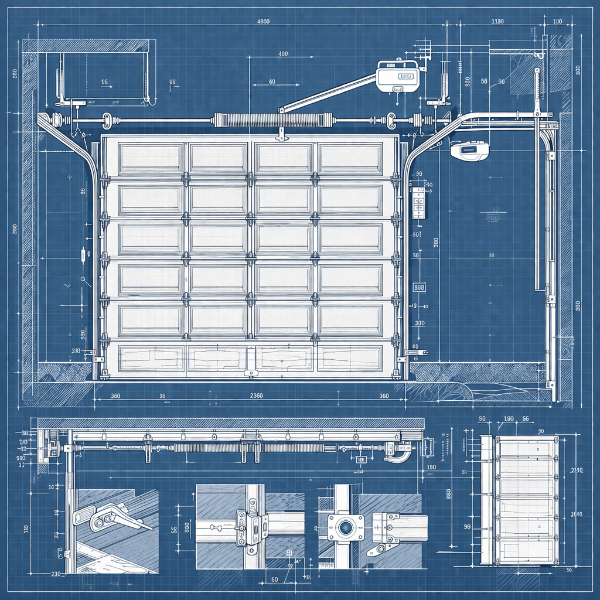
The biggest difference between professional garage door work and casual repair attempts is that a real technician treats the door as a counterbalanced system under load. That means evaluating how the springs, cables, drums, tracks, rollers, hinges, panels, and opener interact under motion, and not just swapping a broken part and hoping for the best. As DASMA’s garage door system safety guidance explains, garage door installation can be very dangerous for a novice and spring systems should be repaired only by trained professionals. That makes garage door service its own specialty, not a side job for whoever happens to have a ladder and a socket set.
Garage doors are the largest moving object in most homes and their components are under high tension. Improper adjustments can cause serious injury. — Mike, A Better Garage Door
Why torsion spring work belongs in trained hands
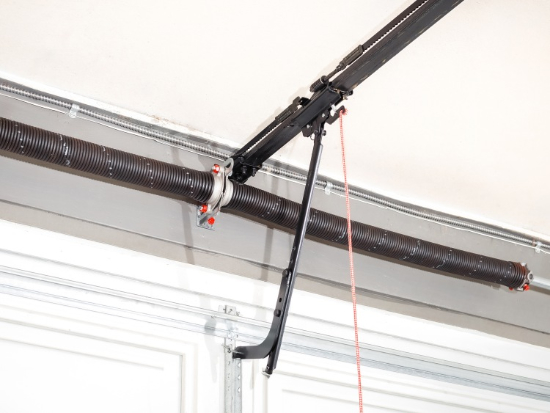
Torsion springs are one of the clearest examples of why garage door service is specialized work. These springs are mounted above the door and store energy when the door closes, then release that stored energy to help lift the weight of the door when it opens. When a spring fails, the symptoms can include uneven movement, a loud snapping sound, or a door that becomes difficult or impossible to lift. More importantly, the danger is not theoretical: springs are among the most important and most dangerous parts of the door, and repairs or adjustments to that system should be handled by trained professionals. Even the cables tied into that spring system are technician-only work because of the hazards created by high spring tension.
A trained garage door technician is not just replacing the broken spring. They are selecting the correct spring configuration, restoring proper door balance, checking cable condition, confirming drum alignment, and making sure the opener is not being forced to compensate for a counterbalance problem. That matters because an unbalanced door is dangerous in its own right. According to CPSC garage door safety guidance , a properly operating door should be balanced enough to stay in place when stopped partially open, while doors that bind, stick, or fall out of balance should be serviced by a professional. Manufacturers likewise warn that adjustments to cables, spring assemblies, and related hardware must be made by a trained service person using proper tools and instructions.
The specialized tools and parts most homeowners do not have
Garage door technicians also work with tools and hardware that most homeowners and many general tradespeople do not keep on hand. Torsion spring work alone often requires dedicated winding bars, controlled tensioning procedures, locking pliers used in specific ways, and careful set-screw adjustment while the system remains under load. That is far removed from ordinary household repair.
Beyond springs, technicians deal with door-specific parts that have to function together under repeated load cycles: lift cables, bottom brackets, hinges, rollers, vertical and horizontal track assemblies, weather seals, bearing points, opener travel settings, and safety sensor alignment. A professional is expected to know when a panel can be repaired, when track should be replaced instead of bent back into shape, when a door is structurally compromised, and when the opener problem is actually a symptom of something mechanical elsewhere in the system. That kind of judgment is part inventory knowledge, part installation experience, and part safety discipline.
What homeowners can do, and where the line should be drawn
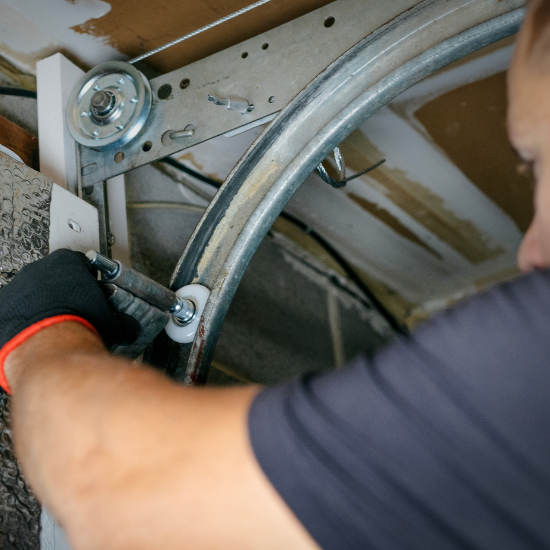
There is a reasonable homeowner lane in garage door care, but it is narrow. Basic lubrication of moving parts, visual inspection for obvious wear, and routine testing of safety features are all appropriate. Homeowners can also watch for changes in noise, slow travel, jerky movement, or sensor issues near the floor. But once the issue involves balance, cable tension, spring adjustment, track replacement, or a door that binds or drops unexpectedly, the job has crossed into technician territory.
| Task Type | Reasonable for Homeowners | Strictly for Technicians |
|---|---|---|
| Basic Care | Lubricating hinges and rollers, wiping tracks clean, testing auto-reverse. | – |
| Balance & Springs | Visually noticing if the door feels heavier or won’t stay mid-travel. | Adjusting or replacing torsion/extension springs; re-tensioning cables. |
| Tracks & Hardware | Tightening an obviously loose hinge or bracket bolt (when the door is down). | Rehanging or replacing tracks, bottom brackets, or load-bearing hardware. |
| Openers & Sensors | Replacing remote batteries, clearing sensor obstructions, mild sensor realignment. | Changing force limits, travel cams, or wiring when cause is uncertain. |
Why professional technicians protect more than the door
A qualified garage door technician protects more than the hardware. They help protect the opener from overload, the door from premature wear, the opening from unsafe operation, and the household from entrapment hazards. Modern garage door systems rely on reversing functions, properly aligned photo-eye sensors (see our trained cat inspecting one here), correct travel limits, and safe force settings to reduce the risk of injury or property damage. A technician’s job includes making sure those protections are present, working properly, and not defeated by misalignment, damage, or bad adjustments.

The bottom line
Garage door technicians occupy a specialized trade because garage doors are heavy, tensioned, motorized systems that demand more than basic repair instincts. The professional standard is not just “make it move again.” It is to diagnose the cause, restore safe balance, use the correct parts, set the system up properly, and verify that the door and opener operate safely together. That is the difference between professional garage door service and patchwork repair. For homeowners, it is also the difference between a door that merely works today and a door that works safely, reliably, and predictably over time.
You guessed it. All of A Better Garage Door's technicians are trained to these high standards with years of real-world experience in the field all over Colorado.
Give us a call today to get one of our professional garage door techs, in a fully stocked truck, dispatched immediately to get repairs underway.Call Now: (303) 920-2267