The Most Common Mistakes Homeowners Make When Converting Their Garage
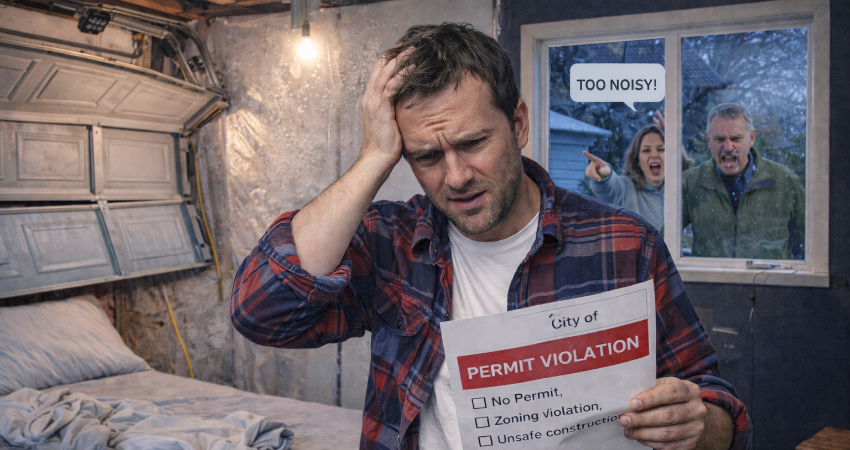
A garage conversion is one of the best ways to add usable space to a home without expanding the home's footprint or making major structural changes. A garage can be converted into a home gym, home office, in-law suite, or even a rental unit. It can feel like a brand-new room at only a fraction of the cost of a typical extension. Unfortunately, it's not all that uncommon for garage conversions to go sideways. In the post, the team at Littleton's favorite garage door company examines the most common mistakes homeowners make when converting their garage.
Thinking about converting your garage?
Avoid common pitfalls with smart planning around insulation, permits, HVAC, and your existing garage door.Garage Conversions: What Could Go Wrong?
Plenty as it turns out. Here are 7 of the most common mistakes we see at A Better Garage Door throughout the day.
1: Failing to insulate
Garages are designed for cars. Not humans. Cars are designed and built to endure years of exposure to the weather, and not things important to humans, like insulation. So, continued heat is generally not a priority in garages.
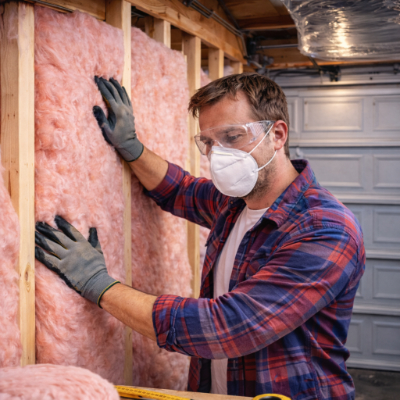
Mistake #1 is when the homeowner builds out their garage but fails to bolster the insulation. As a result, their picture-perfect man cave or home entertainment center ends up freezing in winter and boiling in summer. A lack of insulation may also allow moisture penetration and promote the growth of harmful mold. Always make sure you add robust insulation to the garage space at the start of the conversion. For other reasons why you might want to insulate your garage, check out this article
2: Not Upgrading the HVAC System in the Garage
Many garages are not connected to the home's HVAC system, but many homeowners are unaware of this. As a result, they build out their new space, just assuming everything will be hunky dory. That's a mistake.
Unless the conversion plan includes integrating the garage into the rest of the home's heating and air conditioning system, your new space will end up with stale, stagnant air, excessive indoor humidity, and will likely never be as warm or as cool as you want it to be.
An experienced HVAC technician should be brought in early in the process to either extend your existing system into the garage or install a dedicated unit, such as a mini-split.
3: Not Obtaining All Necessary Permits
This is an all-too-common, very expensive mistake. Many homeowners believe that it's their garage and they can do what they want with it. And while it's true that it is their garage (assuming they've paid off their mortgage), the fact is that municipal building codes still govern major changes to a house.
If you do not respect that fact, you may be forced to undo work, a building inspector may shut your project down, you may be forced to pay substantial fines, and the unsanctioned garage modifications may end up lowering the overall value of your home. There's a simple way to avoid all that, though: get the permits you need, or ask the lead contractor to obtain them for you.
For more information on building permits for Littleton CO refer to the following office:
| Littleton CO Permit & Court Contact | |
|---|---|
| Office | Littleton Municipal Court |
| Address | 2069 W Littleton Blvd, Littleton, CO 80120 |
| Phone | (303) 795-3837 |
| Website | https://www.littletonco.gov/Government/City-Services/Littleton-Municipal-Court |
4: Poor Window and Light Planning
Your garage conversion plan may be based on the current layout of the garage, including the fact that it only has 1 small window. Or maybe none at all. When the space is finally built out, you realize you need to add extra lights just to make the space livable.
Before you green-light a plan for the space, make sure it includes adequate natural lighting. That may mean expanding the existing window or adding a couple more windows. These windows will not only bring natural light, helping you keep your electric bills down, but also improve ventilation in the space.
5: Ignoring the Floor
Garage floors are typically uninsulated concrete slabs with a slight slope. They're not designed for daily living but to accommodate the car's weight and allow water to run off. Many homeowners who handle their own garage conversion ignore these facts and simply throw down some flooring over the slab and call it a day. That’s a mistake!
As a result, the floor feels uncomfortable and cold, flooring materials buckle and fail, moisture seeps into the newly converted space, causing health and comfort problems, or the slope causes furniture to lean unnaturally.
6: Poor Planning Around the Garage Door
Some homeowners will leave the existing garage door in place and try to integrate it into the new space. This decision is sometimes driven by the feeling "I paid for this garage door installation, I'm going to get every penny's worth out of it", or something along those lines. But what they usually end up with is a home office or entertainment center that still looks and feels like a garage.
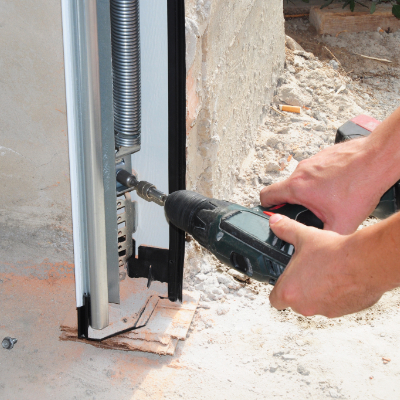
If you are going to convert the space, don't embrace half measures. Go all in! Replace the door with a solid wall that integrates seamlessly with the home's exterior. Insulate the new wall space thoroughly, just as you will the rest of the garage. If you handle covering the former garage door opening well, no one will be able to tell the door was ever there.
7: Neglecting Sound Issues
If you intend to build an in-law suite, it will need to be insulated against noise from the street as well as noise from adjoining rooms. If you intend to create a home entertainment center, adjoining rooms will need to be insulated against noise from movies, video games, rowdy guests, and more.
Adding soundproofing to a space is not as difficult as it may seem and will pay handsome dividends. Some simple soundproofing solutions include sound-absorbing insulation, heavy doors, acoustic drywall, and sealing all gaps in the framing between the garage and the rest of the house.
Other Common Garage Conversion Mistakes
Besides the above, homeowners - particularly those intent on handling the conversion themselves - are prone to poor electrical planning, failing to consider the storage space they'll lose, and losing track of what kind of space they wanted to create in the first place. For this reason, we also encourage homeowners to engage design and construction professionals from the start.
Take advice from people who have been there and made horrible mistakes by watching the following video:
For Reliable Garage Door Repair in Littleton, Call A Better Garage Door
When you’re ready to convert your garage, the professionals at A Better Garage Door can make the process smoother from day one. Our experienced team can help you evaluate the current door and opening, recommend the best approach for removing, replacing, or reconfiguring it, and ensure your new space is secure, well-insulated, and visually seamless with the rest of your home. Whether you need repairs to your existing door, a new door installed during the project, or expert input on how your garage door factors into your overall conversion plan, we’re here to help Littleton homeowners get it right the first time.