How to Prepare Your Garage Door for Hail Season in Colorado
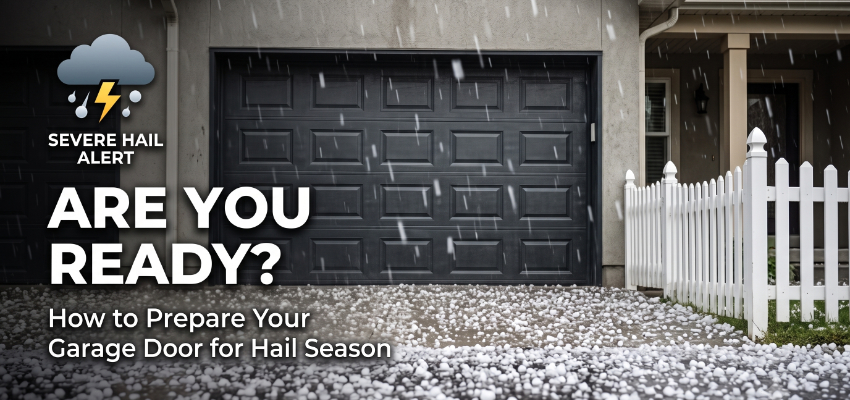
Your garage door is one of the largest exterior surfaces on the home, and on many Front Range houses it faces the direction where wind-driven hail can hit with force. A dented panel may look cosmetic at first, but hail can also crack windows, loosen trim, damage weather seals, and expose painted or coated surfaces to moisture.
Hail-season preparation should happen before the first major storm warning. The goal is simple: make sure the door is structurally sound, sealed, operating safely, and easy to document if damage occurs.
Table of Contents
Know the Timing and the Risk
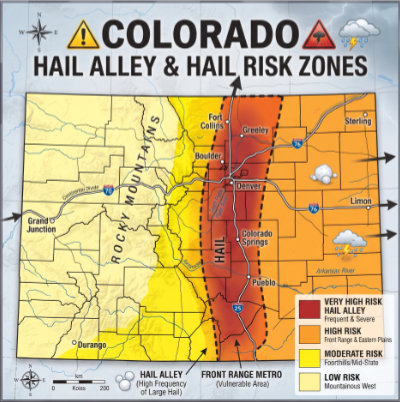
Colorado’s damaging hail season is generally considered mid-April through mid-September, and the Front Range sits in the heart of “Hail Alley,” an area known for frequent large hail, according to the Rocky Mountain Insurance Information Association’s Colorado hail damage statistics. NOAA’s National Severe Storms Laboratory also notes that hail can damage homes and vehicles, which is exactly why the garage door should be part of your storm-readiness checklist.
If your door already has aging panels, faded paint, brittle window inserts, cracked seals, or noisy operation, hail can turn a manageable maintenance issue into a larger repair.
Inspect the Door Before Storm Season Peaks
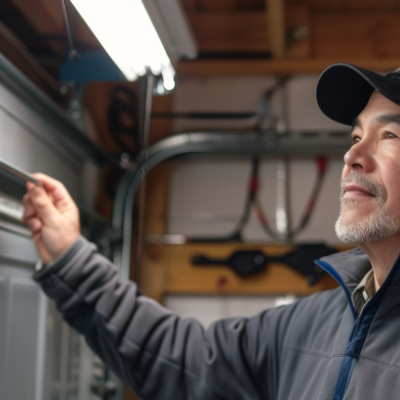
Start with a visual inspection from the outside while the door is closed. Look for small dents, cracked paint, rust spots, separated panel seams, loose decorative hardware, missing fasteners, damaged window trim, and worn bottom seals. These details matter because hail rarely improves an existing weak point.
Then check the inside of the door. Look at the hinges, rollers, brackets, lift cables, and track alignment. Do not loosen or adjust spring hardware, cables, or bottom brackets yourself. Garage door spring systems are under high tension, and repair work around those parts should be handled by a trained technician.
A professional inspection can be worthwhile if the door shakes, scrapes, or closes unevenly, but in general you're just trying to assess the current working condition now so you can tell if something is off after a storm.
Quick Inspection Checklist
Walk through these items before peak hail season so you know your starting point.| Area | What to Look For |
|---|---|
| Panels & Paint | Dents, cracks, rust, peeling or faded finish |
| Windows & Trim | Cracked glass, loose inserts, gaps at edges |
| Hardware | Loose hinges, rollers out of track, missing fasteners |
| Seals | Flattened or torn rubber, daylight at corners |
Wash, Touch Up, and Protect the Finish

A clean door is easier to inspect and easier to photograph for documentation. Wash the exterior with mild soap and water, then rinse thoroughly. Avoid abrasive pads or harsh cleaners that can dull the finish.
If you find small chips or scratches in a painted steel door, ask a garage door professional or the door manufacturer about the correct touch-up product. Exposed metal can invite rust after repeated moisture, especially when hail has chipped the coating. Wood doors need their finish maintained as well, because damaged stain, paint, or sealant can allow water intrusion.
This is not about making the door look perfect. It is about reducing exposed surfaces where hail and water can work their way in.
Check Weatherstripping and Bottom Seals
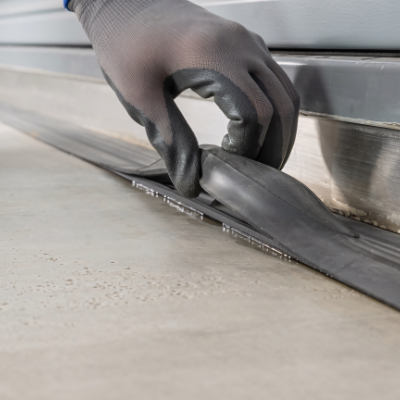
Hailstorms in the Denver metro will often arrive with wind and heavy rain. The bottom seal, side seals, and top seal help keep wind-driven moisture, leaves, and debris out of the garage. If the rubber is cracked, flattened, torn, or pulling away from the retainer consider replacing it before the next heavy rain.
Pay close attention to the bottom corners. If daylight is visible under the door or water routinely enters during rain, the seal may be worn, the floor may be uneven, or the door may need adjustment. Good sealing will not make a garage waterproof, but it can reduce avoidable water and debris intrusion.
Test the Opener and Safety Features
Hail season can bring power interruptions, sensor misalignment, and debris around the opening. Before storm season, make sure the opener runs smoothly and the safety features work as intended.
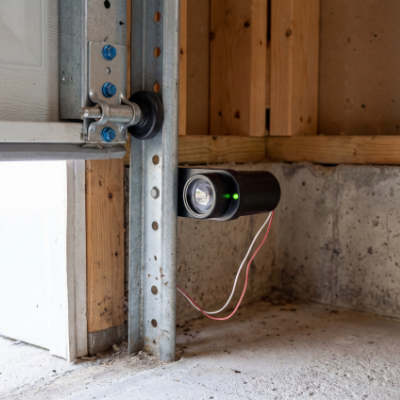
Make sure your garage door sensors are clean, aligned, and securely mounted near the floor. Test the opener’s reversal function according to the manufacturer’s instructions. Also confirm that the manual release is accessible and that everyone in the household knows not to walk, stand, or reach under a moving door.
Document the Door Before Damage Happens
Take clear photos of the door before hail season: straight-on exterior, close-ups of panels, windows, trim, seals, and the interior hardware. Save the date-stamped photos with your home records. If a storm causes damage later, you will have a clean “before” reference for conversations with your insurance company or repair provider.
After a storm, do not force the door if it is jammed, crooked, off track, or making unusual grinding noises. Photograph the damage first, check for broken glass or sharp metal edges, and call for service if the door does not operate normally.
Documenting your garage door before hail season gives you clearer evidence of new damage and can simplify the claims process if you need to involve your insurer.
Has Hail Already Struck? We're Here to Help
If hail damage has left your garage door unsafe, noisy, crooked, or unreliable, contact A Better Garage Door for professional garage door repair in Broomfield, Longmont, Littleton, Parker, Aurora, and surrounding Colorado communities. Preparing early is always easier than reacting after the storm.
Need Help Before or After a Storm?
Schedule a hail-season garage door inspection or repair visit with A Better Garage Door.Request Garage Door Service