The Hidden Ways an Unbalanced Garage Door Wears Out Your Opener
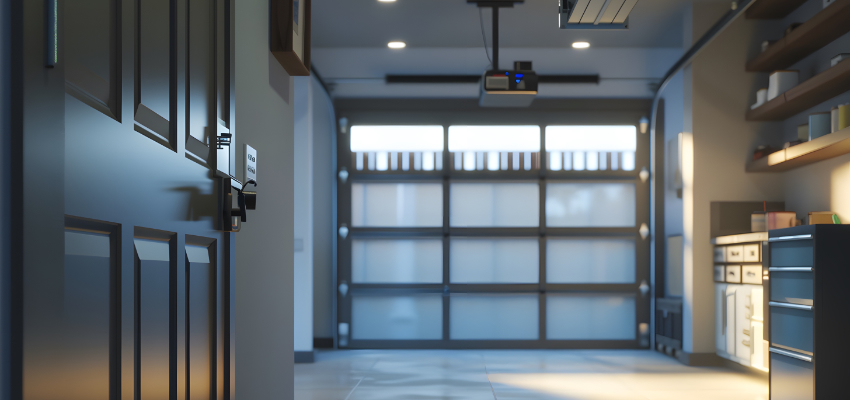
When a garage door opener starts sounding strained, moving slowly, or stopping unexpectedly, the opener itself is an easy suspect. But the real problem may be the door it is attached to.
A garage door is designed as a counterbalanced system. The springs offset most of the door's weight so the opener can control a door that already moves with relatively little effort. Garage door openers are designed to operate properly balanced doors and if the door becomes too heavy, too light, uneven, or prone to binding, the opener is forced to compensate every single time it runs.
That extra work can wear out much more than the motor.
1. The Motor and Internal Gears Carry Load They Were Never Meant to Carry
A weak or incorrectly sized spring can leave the door "heavy" in the opening direction. Instead of simply setting the door in motion and controlling its travel, the opener has to provide substantially more lifting force.
That additional load is transferred through the opener's motor and internal drive components on every cycle. The door may continue working for months, which is why this problem is easy to miss, but repeated overload can accelerate wear and eventually turn a balance problem into an opener replacement.
The opposite condition matters too. If springs provide too much lift, the opener may have to resist the door's tendency to rise and work harder while closing it. We actually covered the consequences of incorrectly sized and mismatched springs in more detail in Are All Garage Door Springs the Same?.
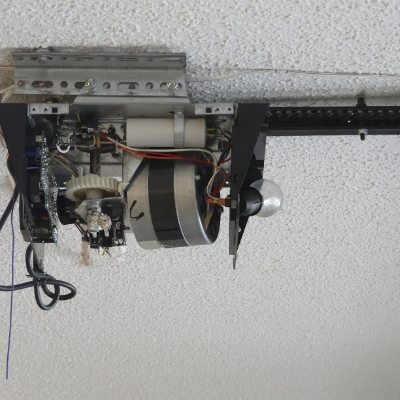
2. The Belt, Chain, Trolley and Rail See Higher Forces
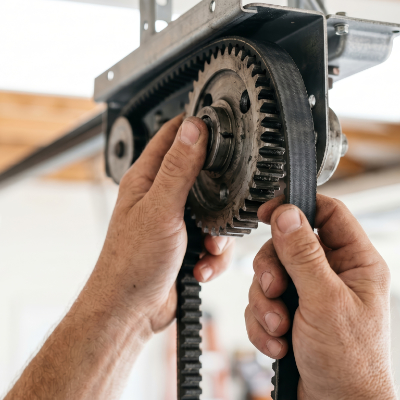
The motor does not act directly on the door. On a conventional ceiling-mounted opener, its force passes through a belt or chain, the trolley, the opener arm, and the rail assembly.
When the door is balanced, those components move a manageable load. When the door is unusually heavy or binds during part of its travel, tension through the drive system increases. That can contribute to premature wear in the belt or chain, trolley, sprocket and attachment points.
This is one reason replacing an older opener without checking the door first can be a mistake. A new, stronger unit may temporarily mask the symptom while the underlying imbalance continues loading the new hardware.
3. Uneven Balance Turns Straight-Line Pull Into Binding
Not every balance problem means the entire door simply feels heavy. A damaged cable, mismatched spring, worn roller, track problem, or other mechanical issue can make one side move differently from the other.
The opener still pulls from its designed attachment point, but now it is trying to move a door that may be racking or dragging through the tracks. The resistance created by that uneven movement adds load to the opener while also increasing wear on rollers, hinges, tracks and door hardware.
If a door looks crooked while moving, shudders at the same point on every cycle, or requires noticeably different effort through different portions of its travel, the opener should not be the only component inspected.
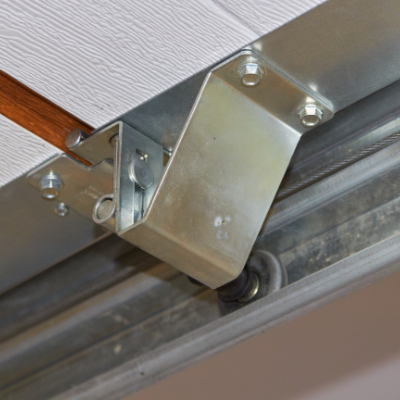
4. Hard Starts and Sudden Movement Create Shock Loads
A balanced door should transition into motion smoothly. An out-of-balance door can behave differently: it may hesitate before moving, suddenly release after binding, drop faster than expected, or surge upward.
Those abrupt changes produce sharper loads than smooth travel. The opener arm, trolley and drive system have to absorb those changes repeatedly. Even when no single cycle causes obvious damage, thousands of harsh starts and stops can accelerate looseness and mechanical wear.
Modern DC openers with soft-start and soft-stop operation can make normal movement smoother, but they cannot correct a mechanical imbalance in the door. If replacement is appropriate, A Better Garage Door offers several garage door opener options, including chain-drive, belt-drive and wall-mounted LiftMaster systems.
Pro Tip: Don’t Confuse Soft-Start With a Fix
Soft-start DC openers can reduce noise and harshness, but they still rely on a properly balanced door. If the door hesitates, surges, or drops, the mechanical problem needs attention—electronics can’t compensate forever.5. Force Adjustments Can Hide the Problem Instead of Fixing It
One of the most problematic responses to a struggling door is simply increasing the opener's force or sensitivity setting until it moves again.
That does not rebalance the door. It only tells the opener to push or pull harder before stopping or reversing. DASMA advises that a heavy door should be diagnosed and adjusted rather than paired with a more powerful opener, and that opener sensitivity must be set correctly for safe reversing operation.
If an opener suddenly needs more force than it did before, the change itself is useful diagnostic information. The better question is why the door now requires more force.
| Symptom | What Force Adjustment Does | What Actually Needs Attention |
|---|---|---|
| Door stops or reverses mid-travel | Makes the opener push harder before stopping | Check spring balance, rollers, tracks, and binding points |
| Door feels heavier than it used to | Masks the added weight for a while | Inspect springs, cables, and hardware for wear or damage |
| Door runs crooked or shudders | Increases stress on opener arm and rail | Correct cable, drum, or track alignment issues |
How to Recognize a Balance Problem Before the Opener Fails
Warning signs often appear before complete failure:
- The door has become slower or sounds strained during opening.
- Movement is jerky or uneven.
- The opener stops or reverses with no obvious obstruction.
- The door appears crooked in the tracks.
- The door feels unusually heavy when operated manually.
- The door will not remain near a partially open position when properly disconnected for a balance check.
Balance can change as springs wear or when rollers, cables, tracks and other hardware develop problems. A Better Garage Door's guide to seasonal garage door maintenance explains why inspecting these components together matters.
Stop Opener Strain Before It Becomes a Major Repair
Notice your door moving slower, sounding louder, or reversing for no clear reason? An out-of-balance door may be overworking your opener every time it runs.Schedule a Garage Door & Opener Checkup
Fix the Door Before Blaming the Opener
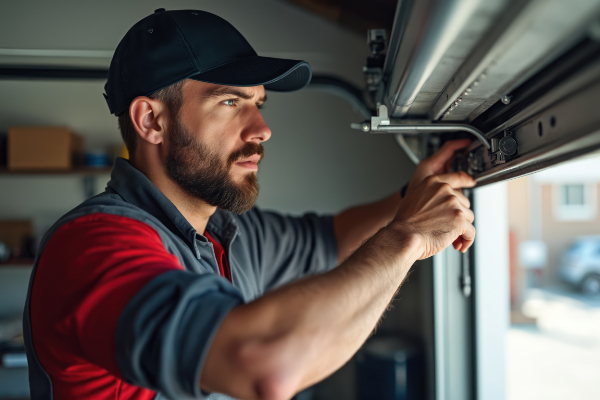
An opener that is struggling may indeed need repair or replacement, but replacing it without correcting an unbalanced door can put the new unit into the same bad operating conditions.
The right diagnosis starts with the complete system: spring balance, cables, drums, rollers, tracks, door movement, and then the opener. Because spring and cable adjustments involve components under substantial tension, balance corrections should be left to a trained garage door technician.
Give us a call and one of our techs can inspect the door and opener with you together, identify where the extra resistance or imbalance originates, and correct the underlying problem before unnecessary strain turns into a larger repair.
Garage Door Balance & Opener Wear: FAQs
Common signs include a door that feels unusually heavy when lifted manually, won’t stay at mid-height when disconnected from the opener, moves crooked in the tracks, or causes the opener to strain, slow down, or reverse unexpectedly. Any of these symptoms warrants a professional inspection.
Yes. Openers are engineered to move a balanced door, not to act as the primary lifting system. If the door is too heavy, too light, or binding, the extra load is transferred through the motor, gears, belt or chain, trolley and rail on every cycle, which can significantly shorten the life of a new unit.
No. Torsion springs and lift cables are under high tension and can cause serious injury or property damage if handled incorrectly. Homeowners can safely observe, listen, and test the door’s behavior, but actual balance corrections should be performed by a trained garage door technician.
Increasing the force setting may make a heavy or binding door move temporarily, but it does not correct the underlying problem and can reduce safety by making the opener less sensitive to obstructions. Industry guidance is to diagnose and repair the door rather than compensating with more force.
For most homes, an annual professional inspection is a good baseline, with additional checks after a collision, noticeable noise change, or performance issues. Between visits, seasonal DIY checks—like those outlined in A Better Garage Door’s seasonal maintenance guide—can help catch small issues early.
If the door has been properly balanced and hardware issues corrected but the opener is still noisy, inconsistent, lacking modern safety features, or nearing the end of its expected service life, replacement may be the best option. A technician can evaluate both the door and opener together and recommend the most cost-effective path.